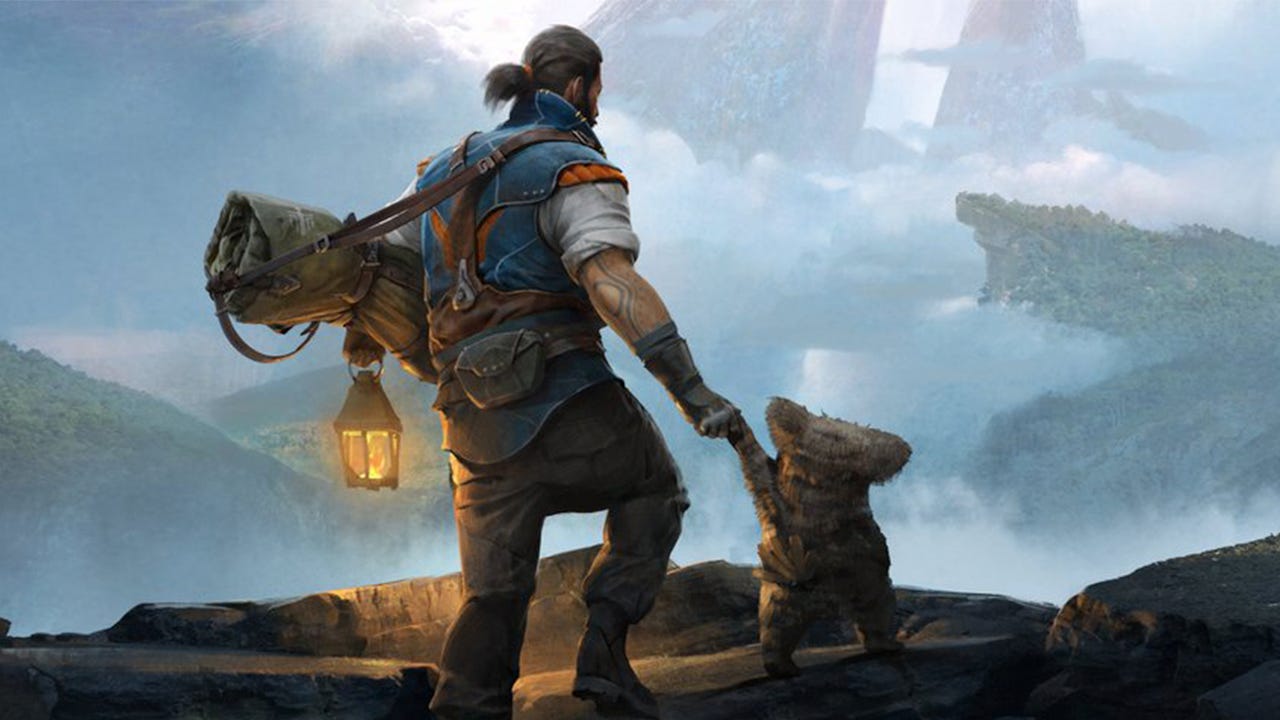
Why Highguard Failed: Analyzing Wildlight's Major Game Release
The video game industry is a landscape of exhilarating highs and crushing lows. For every *Apex Legends* that rockets to global success, there's often a title that, despite significant investment and talent, falters upon arrival. Such was the fate of *Highguard*, the much-anticipated game from Wildlight, the very studio behind the incredibly popular battle royale, *Apex Legends*. Its launch was met not with celebration, but with a stark commercial failure, prompting many to ask: Why did Highguard fail so spectacularly? This article delves into the potential reasons behind the game's difficult journey and explores the broader implications for game development and studio resilience when facing a significant Highguard échec jeu, or game failure.The Lofty Ambitions Behind Wildlight's New Venture
Wildlight, riding high on the phenomenal success of *Apex Legends*, entered the development of *Highguard* with immense expectations – both from within the company and from a keen player base. Following up a groundbreaking hit is a double-edged sword: it provides a robust foundation of resources and reputation, but it also casts a long shadow, setting an almost impossibly high bar for any subsequent release. Players naturally anticipate the same level of innovation, polish, and engaging gameplay that defined the studio's previous triumphs. *Highguard* was, in many ways, an ambitious undertaking. While specific details about its genre and core mechanics are not widely publicized in the immediate aftermath of its failure, it's common for successful studios to attempt new IPs or explore different genres to diversify their portfolio and challenge their creative teams. This pursuit of novelty, however, comes with inherent risks. Every new concept must prove its worth, capture player imagination, and carve out a niche in an increasingly crowded market. The pressure to innovate while still delivering a financially viable product is immense, and it’s a tightrope walk that even the most seasoned developers can struggle to navigate. The narrative surrounding *Highguard* suggests a strong creative drive, much like an artist pouring their heart into their craft, hoping for an appreciative audience. Yet, as the outcome showed, passion alone doesn't guarantee commercial viability.Unpacking the Reasons for Highguard's Commercial Failure
A game's commercial failure is rarely attributable to a single factor. It's often a complex interplay of development challenges, market conditions, and player reception. In the case of *Highguard*, several potential elements likely contributed to its unfortunate outcome, highlighting common pitfalls in the industry.1. Gameplay and Innovation Deficit:
- Lack of a Unique Selling Proposition (USP): Did *Highguard* offer something truly new or compelling that wasn't already available? In a market saturated with high-quality titles, simply being "good" is often not enough. Players seek fresh experiences, innovative mechanics, or a unique artistic vision.
- Unpolished Mechanics: Even with innovative ideas, a game can stumble if its core gameplay feels clunky, unbalanced, or frustrating. Bugs, poor controls, or repetitive loops can quickly sour a player's initial impressions.
- Target Audience Misalignment: Did Wildlight correctly identify and cater to its intended audience? Sometimes, a studio's vision for a game might not align with what its existing fanbase, or the broader market, is looking for.
2. Technical Hurdles and Performance Issues:
Modern game development is incredibly complex. Launches are often plagued by server instability, critical bugs, and performance issues, especially in online titles. If *Highguard* suffered from these common launch woes, it could have severely impacted early player retention and critical reviews. Initial impressions are crucial, and a technically flawed launch can be incredibly difficult to recover from, even with subsequent patches.
3. Marketing and Communication Blunders:
Even the best game can fail if it isn't marketed effectively. Were players aware of what *Highguard* was? Was its identity clear? Poor marketing can manifest as:
- Unclear Messaging: If the game's core appeal or genre was ambiguous, it might have struggled to capture interest.
- Over-Promising and Under-Delivering: Generating hype is essential, but if the final product doesn't live up to pre-release promises, it can lead to significant player disappointment and a backlash.
- Insufficient Pre-Release Engagement: A lack of betas, demos, or consistent communication can leave potential players feeling disconnected and uninterested.
4. Intense Market Competition:
The gaming calendar is packed with major releases from established franchises and new IPs alike. Launching a new game means competing for player attention, time, and money against a vast array of high-quality alternatives. If *Highguard* entered a crowded genre dominated by entrenched competitors, it would have faced an uphill battle from day one.
This combination of factors can lead to a commercial downturn, reflecting the harsh realities of the gaming world where a Highguard échec jeu serves as a stark reminder that past success doesn't guarantee future triumphs.The Echoes of Disappointment: Learning from a Flop
The experience of a commercial failure like *Highguard* can be profoundly challenging for a development studio. The feeling of "being lost and stuck," much like the personal narrative of deep disappointment, can permeate a team that has poured years of effort, passion, and creativity into a project. It challenges confidence and forces introspection. How does a studio "believe in itself" when external market forces suggest otherwise? How does it avoid internalizing the pain of failure? For Wildlight, this moment is not just about a game; it's about navigating a significant setback. It’s a crucial juncture where decisions will shape their future trajectory. The key lies in transforming perceived failure into a powerful learning experience. This means:- Honest Post-Mortem Analysis: Conducting a thorough and candid review of what went wrong, from design decisions to marketing strategies. This isn't about assigning blame but understanding causal factors.
- Active Listening to Feedback: Scrutinizing player reviews, community discussions, and sales data to understand the disconnect between their vision and market reception. This external perspective is invaluable.
- Embracing Resilience: The gaming industry is known for its volatility. Studios that rebound are those that view setbacks as opportunities to adapt, innovate, and grow stronger. This requires strong leadership and a supportive team environment.
Navigating the Path Forward: Rebuilding Trust and Momentum
1. Transparency and Communication:
Openly acknowledging the challenges and outlining future plans can go a long way in repairing community relations. Players appreciate honesty and a clear vision, even when it involves admitting shortcomings. This doesn't mean dwelling on the negative, but rather communicating how lessons learned from the Highguard échec jeu will inform future projects.
2. Focusing on Core Strengths:
Wildlight's success with *Apex Legends* clearly demonstrates their expertise in competitive, online multiplayer experiences. While innovation is important, leveraging proven strengths can provide a stable foundation for recovery. This might involve doubling down on *Apex Legends* content or developing a new title that closely aligns with their established successes while incorporating fresh ideas.
3. Strategic Innovation, Not Just Novelty:
Innovation should be driven by genuine player need and market opportunity, rather than just the desire to create something "new." This means careful market research, robust prototyping, and continuous player testing to ensure that future projects resonate deeply with their intended audience.
4. Prioritizing Quality and Player Experience:
In the wake of a commercial disappointment, an unwavering commitment to quality becomes paramount. This includes rigorous testing, responsive community management, and prioritizing a polished, enjoyable experience from launch day. Building a reputation for reliable, high-quality games is essential for long-term success.
5. Empowering the Team:
Internally, studios must foster an environment where creative risk-taking is encouraged, but learning from mistakes is paramount. Supporting the development team through the disappointment, helping them process the setback, and refocusing their energy on new, exciting ventures is crucial for morale and future output. As discussed in From Apex Success to Highguard's Flop: Wildlight's New Challenge, this is an opportunity for the studio to define its next chapter.